20/20 Vision: What it Really Means

August 24, 2021
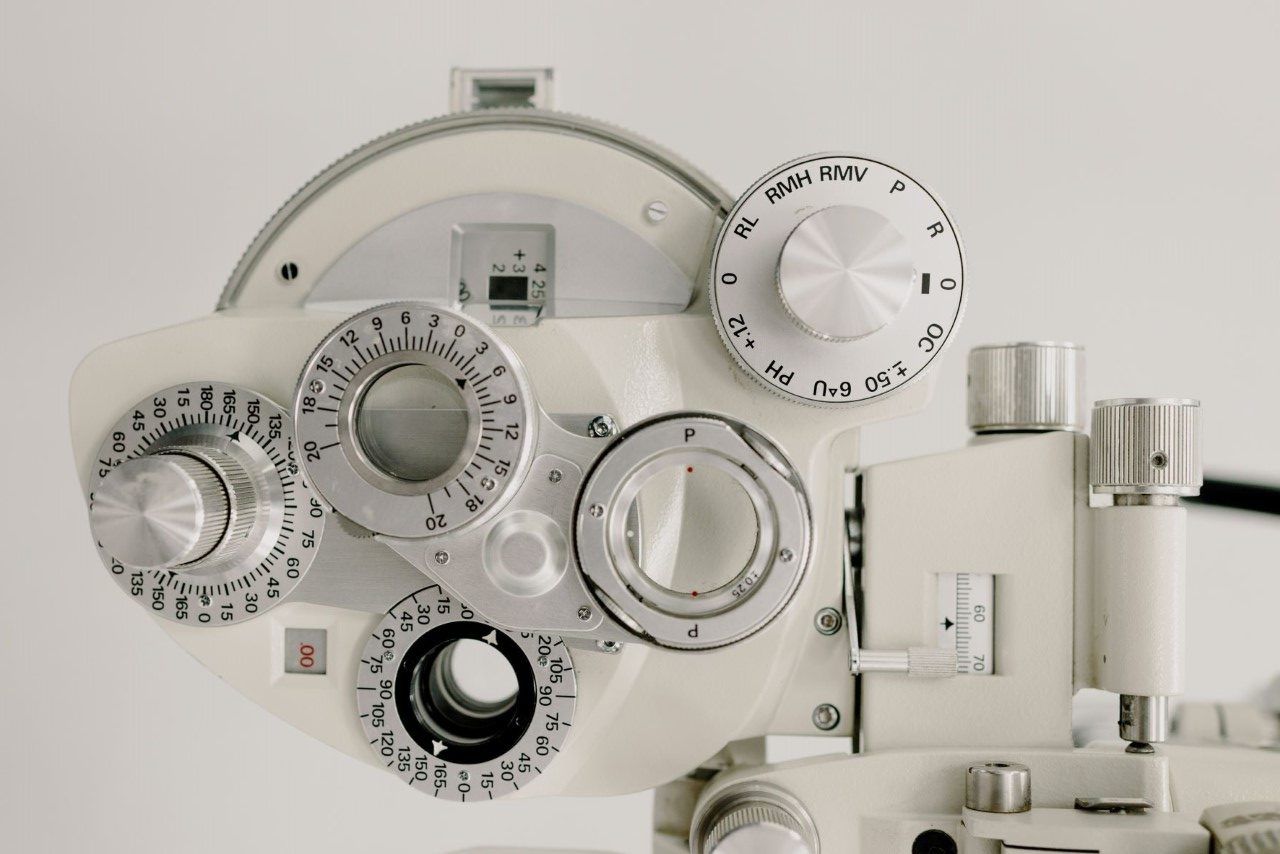
A close up of a machine with a lot of buttons and knobs on it.

What is 20/20 Vision?

20/20 vision is commonly misunderstood as perfect vision. In reality, it denotes normal vision clarity or sharpness at a distance of 20 feet. However, this metric only addresses one aspect of visual acuity and does not encompass the full spectrum of eye health.


20/20 vision means that when your vision is tested at 20 feet, your vision is “normal” for that distance. Someone with 20/30 vision for example, can only see at 20 feet what a person with normal vision would be able to see at 30 feet. 20/200 vision means you have to be ten times closer to see something that a person with normal vision would be able to see (this level is considered to be “legally blind”).


However, knowing someone has 20/20 vision only tells us a small fraction of what we need to know about our eyes – and this is only part of what is assessed during an eye examination from an optometrist.

Beyond Clarity: Eye Health Matters

Often parents are surprised when they bring their son or daughter in for an eye exam and learn there is an eye teaming problem, eye muscle focusing issue, a lazy eye or an eye health concern. Many of these patients actually have “20/20 vision” (and their eyes look normal to a casual observer) but risk long-term problems if they are not properly diagnosed and treated.


The Importance of Regular Eye Exams

Many eye problems show no symptoms in the early stages. Early diagnosis is key!


Glaucoma is an eye disease that is extremely common, affecting 400,000 Canadians *. Nearly half of these people are not yet diagnosed, because central vision is the last to go. Glaucoma is an example of an eye disease that may present with 20/20 vision, even in advanced stages.


Having 20/20 vision is good news, but it’s not the whole picture. Book your eye exam with one of our Doctors of Optometry today!
 

Woman with bob haircut and large blue and purple glasses, furrowing her brow and pursing her lips.
By Rosendo C February 11, 2026
Online glasses may look like a bargain, but poor fit and subpar lenses can lead to discomfort and blurry vision. Here's what to watch out for.
Surgeon holding an intraocular lens with forceps, next to its plastic case, in a sterile setting.
By Tom Wilk February 11, 2026
Explore your intraocular lens (IOL) options after cataract surgery. Learn the pros, cons, and benefits of each type to make the right choice for your vision.
Woman with long dark hair, holding her chin, looking thoughtful, indoors.
By Tom Wilk February 11, 2026
Think you don't need an eye exam if you have perfect vision? Learn why regular eye exams are essential for your overall health and long-term eye comfort.
Woman undergoing eye exam with a slit lamp and an assistant holding a lens.
By Tom Wilk January 28, 2026
Discover how dry eye can impact your cataract surgery results and what you can do to improve healing and clarity before your procedure.
Woman having an eye exam with a slit lamp machine, smiling.
By Tom Wilk January 27, 2026
Think your eyes are fine? Learn why skipping regular eye exams could put your vision and overall health at risk, even without symptoms.
Child receiving eye exam with doctor, mother present. White medical office.
By Tom Wilk January 27, 2026
Discover the main causes of myopia in children and how to protect your child’s vision. Find practical steps you can take to reduce the risk of progression.
Man having an eye exam with an ophthalmoscope, being examined by a doctor.
By Tom Wilk November 27, 2025
Wondering what to ask before cataract surgery? Here are the top 7 questions to ensure you're confident, prepared, and ready for clearer vision.
Woman with  blonde hair and glasses, resting chin on hand, smiling.
By Rosendo C November 26, 2025
Struggling with progressive lenses? Discover practical tips to ease the transition, improve clarity, and avoid common mistakes.
Man with glasses in hand is touching his eyes like he is in pain.
By Rosendo C November 26, 2025
Discover how antifatigue lenses reduce digital eye strain, enhance comfort, and support healthier vision.
Black-framed glasses, one lens clean, one smudged. Icons show cleaning supplies, hairspray, bug spray, and sunscreen.
By Rosendo C October 29, 2025
Discover the everyday chemicals quietly damaging your eyeglass lenses. Learn how to avoid them and keep your vision crystal clear.
Show More