THYROID DISEASE AND THE EYE
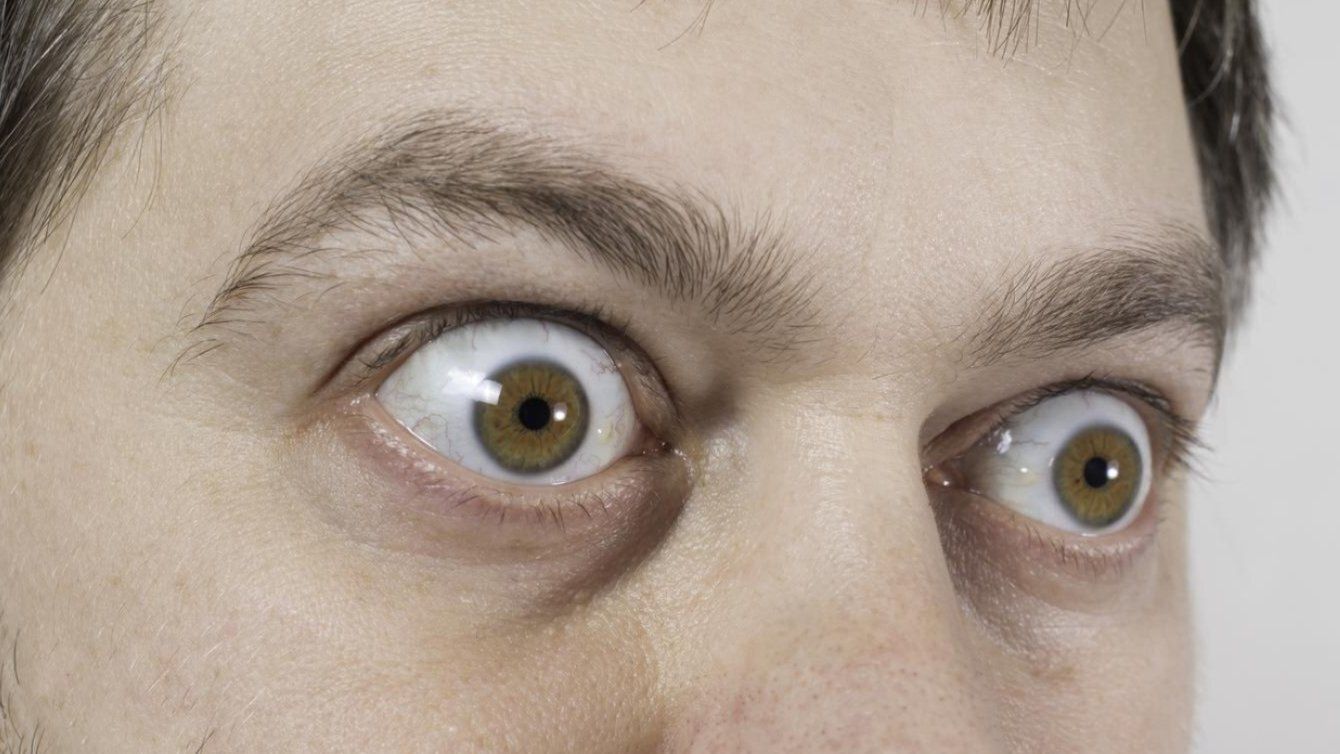
An over-active thyroid gland may be caused by a condition known as “Graves disease”. People with Graves disease may develop thyroid eye disease. In this article, we will delve into the causes, symptoms, and available treatments for thyroid eye disease, to increase awareness of this common disorder.
Symptoms of Graves and Thyroid Eye Disease
Graves disease is an autoimmune condition, where the body’s immune system attacks healthy tissue, resulting in symptoms such as weight loss, shaking, heart palpitations and insomnia. Some people with Graves disease may develop thyroid eye disease, and may experience one or more of the following symptoms:
- Dry eyes
- Wide-open eyelids (resulting in a “surprised” expression)
- Blurred and/or double vision
- Swelling around the eyes
- Light sensitivity
- Redness
- Eye pain
Not everyone will have these symptoms and those that do will have a wide range of severity. Some may even experience permanent loss of vision in extreme cases.
Risk Factors and Progression
Without treatment there is a risk of progression. Those who have Graves disease and smoke will statistically have a 2 to 8 times greater risk of thyroid eye disease. Even those with low thyroid may eventually develop thyroid eye disease from Graves, and there have been instances where Graves disease has resulted from long-term treatment of hypothyroid with medical therapy.
Diagnosis and Treatment
Often people with thyroid eye disease will first present to their optometrist’s office with symptoms. MVO optometrists are experienced in identifying when patients may be at risk based on the results of their eye exam. If we suspect thyroid eye disease, we communicate with your family doctor with a request for an endocrinology referral. Diagnosing thyroid eye disease typically involves a comprehensive examination as well as blood tests.
There are several treatment options available for thyroid eye disease, and the approach may vary depending on the specific symptoms and severity. Radioactive iodine is considered, which is taken by mouth and causes the thyroid gland to shrink. Other types of medications may be considered as well. Eye issues such as dry eyes may be managed by artificial tears, warm compresses, omega 3 supplements, prescription medications, and more advanced therapy. Double vision may be alleviated by adding a prism correction to the glasses. Those with severe or rapidly progressive issues resulting from thyroid eye disease may require surgical intervention by an ophthalmologist.
Thyroid eye disease can have a significant impact on quality of life, particularly if it causes discomfort or impacts one’s appearance. A team approach with a network of health professionals is often required to successfully manage the condition. Proactive support and care will ideally result in early diagnosis and intervention to minimize the impact of thyroid eye disease.
If you have a concern that you may be at risk of thyroid eye disease or any other ocular condition, please do not hesitate to contact us to arrange an appointment with one of our skilled and experienced optometrists.