Difference between Optometrists and Ophthalmologists
May 25, 2010
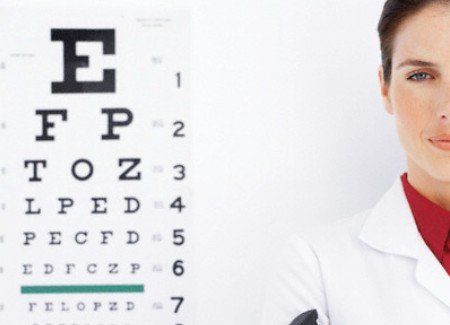
A woman in a lab coat stands in front of an eye chart


There are two main types of eye doctors, and the difference between “optometrist” and “ophthalmologist” is more than just their different spellings. It’s not surprising that many people aren’t sure which is which!


Ophthalmologists are physicians – doctors of medicine (MDs) who complete four or more years of pre-med, four years of medical school, and one year of internship to get their doctorate degrees. After they become physicians they undergo a residency of three or more years. This consists of medical and surgical specialty training specifically in eye care.

Ophthalmologists’ services include: medical eye care for diseases, surgical eye care for trauma, crossed eyes, cataracts, glaucoma, tumors, etc.; diagnosis and treatment of eye conditions related to other diseases like diabetes, arthritis or brain conditions, and plastic surgery for issues such as drooping eyelids or skin tumors.

Optometrists are trained to diagnose and treat vision conditions like nearsightedness, farsightedness, and astigmatism. They are trained in prescribing eyeglasses, contact lenses, eye exercises, low vision aids, and vision therapy. They are also trained to identify cataracts, glaucoma, and retinal disease, and to use some medications to treat eye disease. Optometrists do not attend medical school. Most complete an undergraduate degree before beginning four years of training for an optometry (OD) degree. Some complete a postgraduate one-year clinical residency to gain specialist certification. And now you know the difference!

Woman undergoing eye exam with a slit lamp and an assistant holding a lens.
By Tom Wilk January 28, 2026
Discover how dry eye can impact your cataract surgery results and what you can do to improve healing and clarity before your procedure.
Woman having an eye exam with a slit lamp machine, smiling.
By Tom Wilk January 27, 2026
Think your eyes are fine? Learn why skipping regular eye exams could put your vision and overall health at risk, even without symptoms.
Child receiving eye exam with doctor, mother present. White medical office.
By Tom Wilk January 27, 2026
Discover the main causes of myopia in children and how to protect your child’s vision. Find practical steps you can take to reduce the risk of progression.
Man having an eye exam with an ophthalmoscope, being examined by a doctor.
By Tom Wilk November 27, 2025
Wondering what to ask before cataract surgery? Here are the top 7 questions to ensure you're confident, prepared, and ready for clearer vision.
Woman with  blonde hair and glasses, resting chin on hand, smiling.
By Rosendo C November 26, 2025
Struggling with progressive lenses? Discover practical tips to ease the transition, improve clarity, and avoid common mistakes.
Man with glasses in hand is touching his eyes like he is in pain.
By Rosendo C November 26, 2025
Discover how antifatigue lenses reduce digital eye strain, enhance comfort, and support healthier vision.
Black-framed glasses, one lens clean, one smudged. Icons show cleaning supplies, hairspray, bug spray, and sunscreen.
By Rosendo C October 29, 2025
Discover the everyday chemicals quietly damaging your eyeglass lenses. Learn how to avoid them and keep your vision crystal clear.
Woman with pink glasses and ponytail, thoughtful expression, with math equations in background.
By Tom Wilk October 29, 2025
Confused by your eye prescription? Learn what those numbers mean, from SPH to CYL, and how they impact your vision and glasses.
Comparison of IPL, RF, and Jett Plasma devices; white and teal/purple medical equipment with labels.
By Richard Wilk October 29, 2025
Struggling with dry eye? Learn the differences between IPL, RF, and Jett Plasma treatments, and find out which option may be right for you.
Boy stressed, holding head in hands, over a notebook with a ruler and pencils on a desk.
By Tom Wilk September 22, 2025
Think your child has ADHD? It could be a vision issue. Learn how to spot the differences and why a full eye exam should be your first step.
Show More