VISION ENHANCEMENT IN SPORTS
What do we mean by Vision Enhancement?
To improve you vision performance, beyond what are the natural capabilities of your eyes. This is accomplished through using one, or more of the following techniques
Training
Just as you practice or train to improve your performance in other activities, you can also train your eyes and brain to perform at a higher level. This is called Sport Vision Training. Sport Vision Training is a series of exercises that work on one, or more, of the seventeen (17) elements that contribute to your overall vision performance. Vision is more than whether you can see 20/20 or not. Your Optometrist can evaluate your vision to see what elements could be enhanced through Sport Vision Training.
Tools
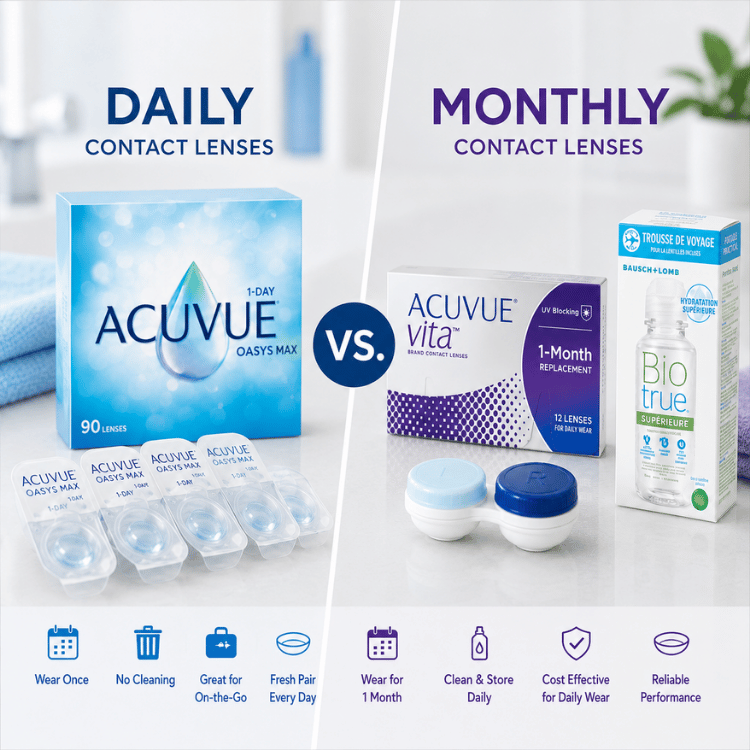
How can you attach two pieces of wood? Although there are many ways, one of the most common is using a hammer and nails. Much as a hammer and nails are tools to help you join two pieces of wood, so to there are tools that can allow you to see better than you would normally. The most common tools, with regards to vision enhancement, are eyeglasses, contact lenses and sunglass. Eyeglasses and Contact Lenses offer vision correction, or prescription, that allows those who suffer from Myopia, Hyperopia, Astigmatism or Presbyopia to achieve clearer natural vision. There are many technologies available in both Eyeglasses and Contact Lenses that help these further enhance your vision, but what about sunglasses? Sunglasses can do all of these things as well, but they can further enhance your vision in other ways.
Colour
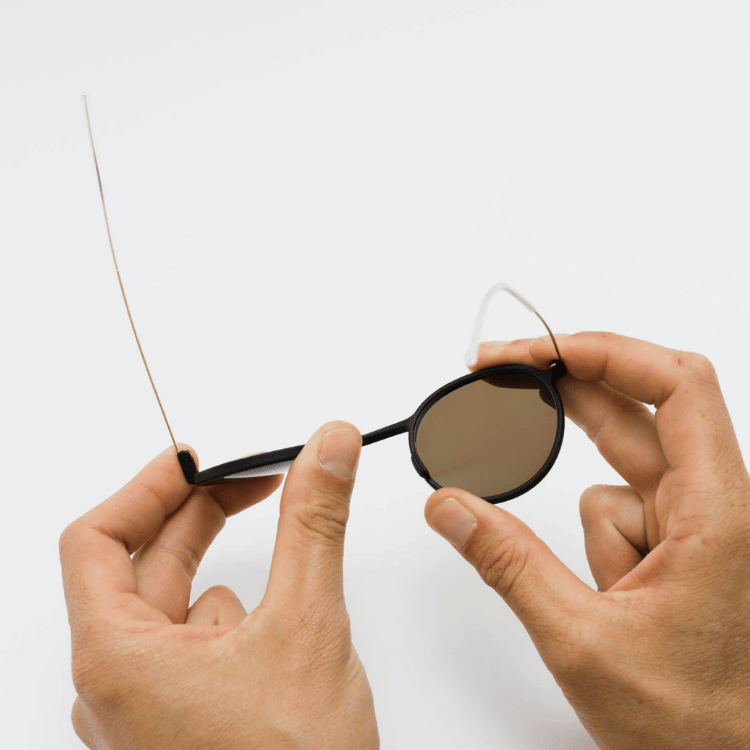
The colour of sunglasses is very important to the vision enhancement they provide. This includes, but is not limited to the comfort they can provide by shading your eyes from bright light. By selectively enhancing or blocking different elements of the light spectrum sunglasses can effectively allow your eyes to function better and perceive things that you otherwise would not. There are literally hundreds of different colour options that are available. So, which colour is the best? The answer is all of them. The right colour will vary, depending upon the lighting conditions you are in and how you are trying to enhance your vision. However, typically there are four (4) recommended colours for overall performance. These are Grey, Brown, Rose and Green. Each colour has its own benefits and enhancements, to learn more visit us and ask any of our Optical Customer Care Associates.
Filters
Have you ever looked at a horizontal surface and been blinded by the bright, white light that is reflecting off of the surface? This is called glare, and is what happens when light hits any flat surface and bounces off of it. Glare is terribly distracting and can even cause you to be temporarily blinded if you are not prepared. Typically, normal sunglasses do not help in blocking this type of light, they just help soften its effects. This is because normal sunglasses only provide shading by blocking a certain percentage of light. However, Polarized Sunglasses do something that nothing else can. That is eliminate glare. This literally allows you to see what you otherwise could not. If outside on a bright sunny day near water, for example, if you are wearing polarized sunglasses you will can actually see into the water, while other’s who are not wearing polarized lenses will only see the water’s surface.
Your eyes process roughly 80% of the sensory information your brain uses to make decisions. Through vision enhancement, we can improve not only the quality of that information but also increase the amount of information, allowing you to perform at your absolute best.
– Ed O’Brien