VISION MATTERS IN SPORTS – PART THREE (RUNNING AND CYCLING)

July 21, 2014
A man wearing a helmet stands next to a bicycle with a sign behind him that says milwaukee

Two of my favorite sports…running and cycling, have unique vision demands. It doesn’t get any better than Alberta in the summer if you want to climb a switchback on your mountain bike or train for a half-marathon in the suburban trails.

First and foremost consider protection. Two aspects exist in these sports– first, you should have eye wear that physically protects your eyes from harmful objects. A bug flying into the eye or a corneal abrasion from a branch hitting your eye at high speed on a downhill trail can be serious enough to cause permanent vision loss. The second aspect is ultraviolet light (UV). Our higher elevation and significant sunshine can cause sunburns to the surface of your eyes (a painful short-term condition) as well as contribute to cataracts, macular degeneration and eyelid cancers (in the long term, with repeated UV exposure).
 

Vision quality is also important in cycling and running sports. Road cycling typically involves intense glare conditions that should be handled by wearing polarized sunglasses.   These types of sunglasses cut the glare from light reflected off horizontal surfaces such as pavement or water, allowing the wearer to improve his or her vision and navigate the course with increased confidence. Trail running and mountain biking, on the other hand, often involve rapidly changing lighting conditions. Navigating down a steep slope in shaded conditions with roots, rocks and other debris can be dangerous if the wearer has dark sunglasses on. And then of course there exist age-related focusing problems, which make it difficult for people who train for racing to see their vital stats such as speed, heart rate and pace on their wristwatches.


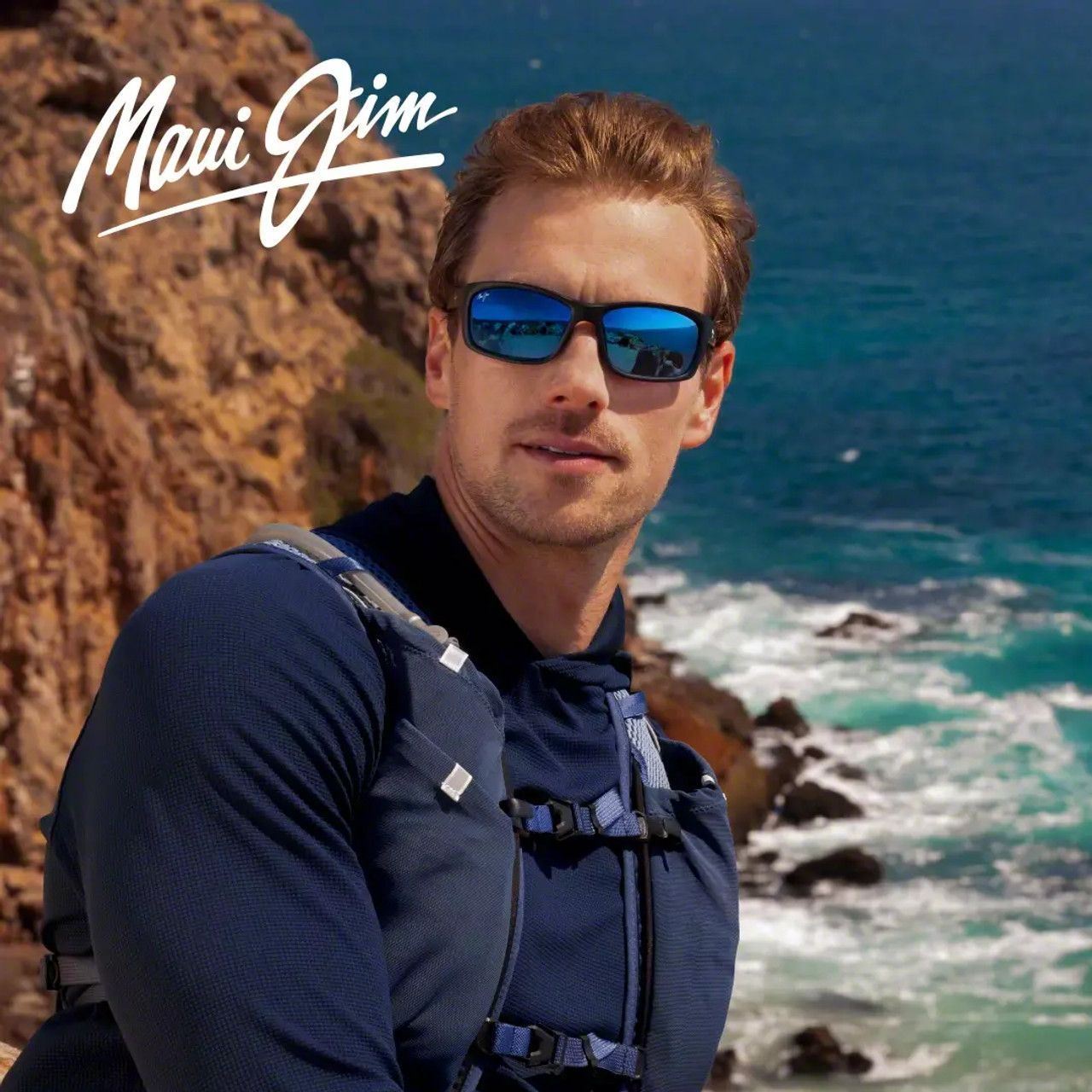
The best eye wear options for these sports involve glasses that wrap around and fit closely to the face. This helps for safety, UV as well as redirecting air flow when traveling at higher velocities. Photochromic lenses, which auto-adjust the level of tint according to level of UV, can be extremely useful, but depending on the sport they may not react quick enough for rapid transitions to variable lighting conditions. In these cases there are options to change out lenses or carry a second pair with a darker tint. Durable construction with safety-certified lenses is recommended if impact from external objects to the facial area is a possibility. And finally, options exist that incorporate a bifocal lens so the wearer can see their all-important wristwatch-based training stats!

Come and see us so we can have a detailed discussion of the sports you are involved in, then prescribe the option that works best for you.

  • Dr. Wilk
Woman with bob haircut and large blue and purple glasses, furrowing her brow and pursing her lips.
By Rosendo C February 11, 2026
Online glasses may look like a bargain, but poor fit and subpar lenses can lead to discomfort and blurry vision. Here's what to watch out for.
Surgeon holding an intraocular lens with forceps, next to its plastic case, in a sterile setting.
By Tom Wilk February 11, 2026
Explore your intraocular lens (IOL) options after cataract surgery. Learn the pros, cons, and benefits of each type to make the right choice for your vision.
Woman with long dark hair, holding her chin, looking thoughtful, indoors.
By Tom Wilk February 11, 2026
Think you don't need an eye exam if you have perfect vision? Learn why regular eye exams are essential for your overall health and long-term eye comfort.
Woman undergoing eye exam with a slit lamp and an assistant holding a lens.
By Tom Wilk January 28, 2026
Discover how dry eye can impact your cataract surgery results and what you can do to improve healing and clarity before your procedure.
Woman having an eye exam with a slit lamp machine, smiling.
By Tom Wilk January 27, 2026
Think your eyes are fine? Learn why skipping regular eye exams could put your vision and overall health at risk, even without symptoms.
Child receiving eye exam with doctor, mother present. White medical office.
By Tom Wilk January 27, 2026
Discover the main causes of myopia in children and how to protect your child’s vision. Find practical steps you can take to reduce the risk of progression.
Man having an eye exam with an ophthalmoscope, being examined by a doctor.
By Tom Wilk November 27, 2025
Wondering what to ask before cataract surgery? Here are the top 7 questions to ensure you're confident, prepared, and ready for clearer vision.
Woman with  blonde hair and glasses, resting chin on hand, smiling.
By Rosendo C November 26, 2025
Struggling with progressive lenses? Discover practical tips to ease the transition, improve clarity, and avoid common mistakes.
Man with glasses in hand is touching his eyes like he is in pain.
By Rosendo C November 26, 2025
Discover how antifatigue lenses reduce digital eye strain, enhance comfort, and support healthier vision.
Black-framed glasses, one lens clean, one smudged. Icons show cleaning supplies, hairspray, bug spray, and sunscreen.
By Rosendo C October 29, 2025
Discover the everyday chemicals quietly damaging your eyeglass lenses. Learn how to avoid them and keep your vision crystal clear.
Show More